Cavaliere from La Morra

After my visit in Elio Altare vineyard I was curious how traditional winery can look like in our time. So I visited Lorenzo Accomasso. He lives and works not far from Elio Altare and his family. In the Langhe he is a legend, honored by cavaliere title by the president of the Italian Republic for his merits in the Langhe wine culture. In the 70s he has already implemented the method of heavy pruning of grapevine gaining in this way a better quality of harvest, what’s more for more than 20 years he was the president of the Regional Enoteca in La Morra. He works with his sister and they cultivate 3 ha of land, take care of both vinification and selling process. Lorenzo Accomasso is a good example of an old generation – he lives lives in a modest and simple way. From time to time he is visited by wine lovers, professionals and distributors even from Asia. It turns out his wines are much more popular in distant Japan, then in shops and restaurants in Piedmont region…

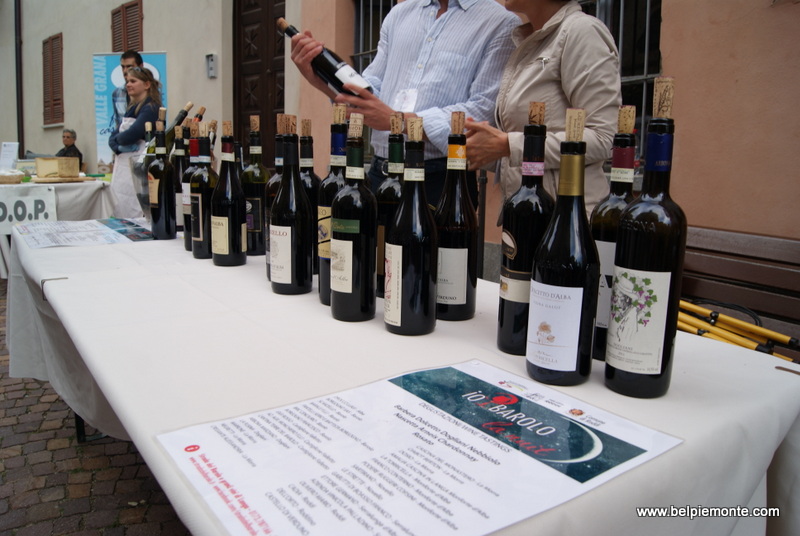
Barolo of Lorenzo Accomasso, Piedmont, Italy
Barolo Riserva Rocche 2006 and Barolo Riserva Vigneto Rocchette 2006

Continue reading “Cavaliere from La Morra”

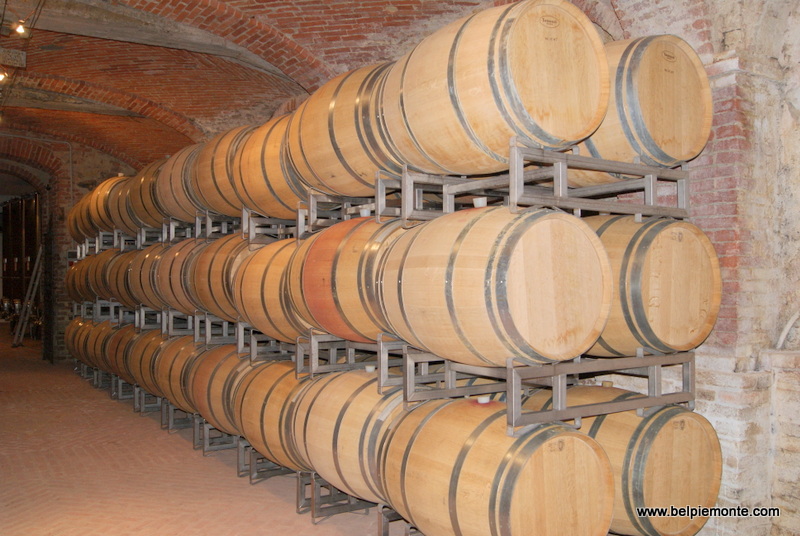
Barriques contra botti

Barolo, produced in 11 communes, by 770 producers, in the quantity of 10 920 000 a year, it has already become a true ambassador of Piedmont region, and a bottle of this red liquid is an object of desire for wine lovers. No wonder that both tourists and professionals visit wineries and they listen eagerly to winemakers telling about their history, job, everyday challenges, but also techniques used for wine production. And the last one, by the way, can be completely different. An example? Two neighbors living in La Morra: Elio Altare and Lorenzo Accomasso. Lorenzo Accomasso is a symbol of tradition, while Elio Altare was one of pioneers in using new methods in Barolo making process. And even though a division between traditionalists and modernists doesn’t exist anymore, no so long time ago the wine world in the Langhe was heavily divided. And the reason was …the size of a wood barrel.

Cantina Elio Altare, Piedmont, Italy
French barriques

Continue reading “Barriques contra botti”

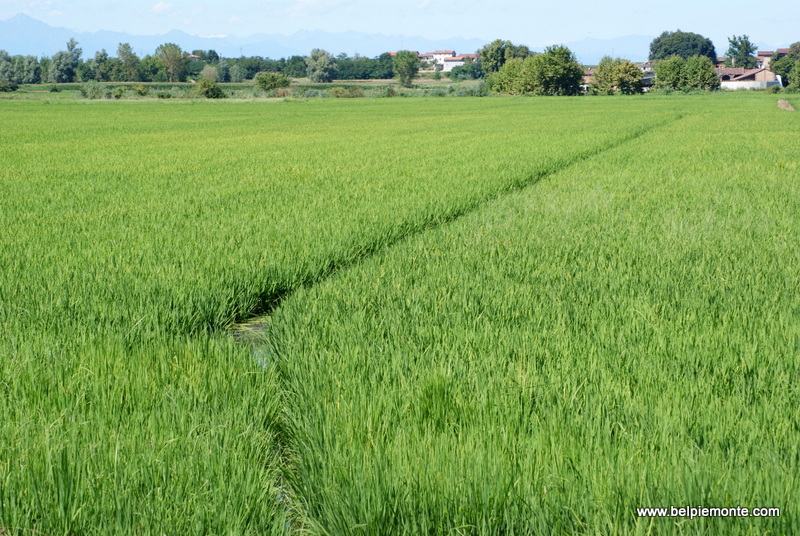
The land of rice

Straight cut water mirrors, blades glancing timidly from under the wet surface or bright green of fields decorated with canals glittering in the sun. The plain rarely allures with its beauty. But every time I pass by the fields of rise in Piedmont – no matter what the season is – my attention is drawn by an incredible scenery. Mostly in summer, when light juicy green blanket covers the water world.

The fields of rice in Vercelli, Piedmont, Italy
juicy green of rice blanket

Continue reading “The land of rice”

Langhe in summer scenery

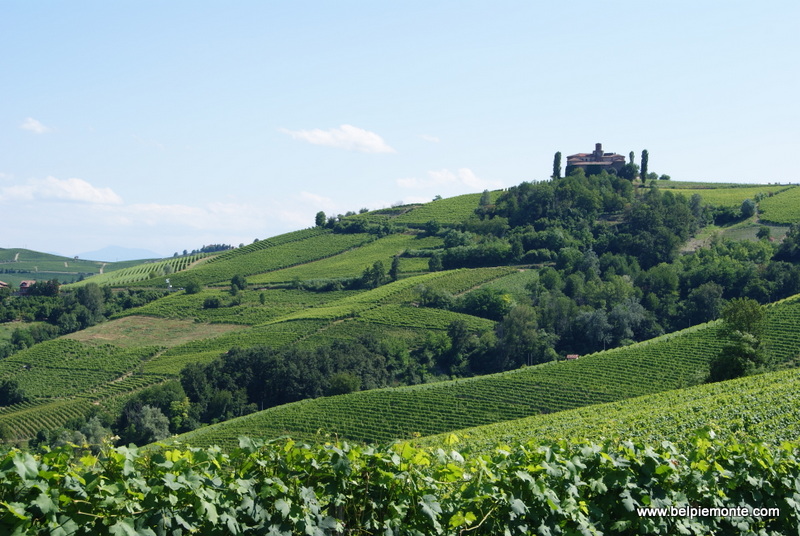
The Langhe is flourishing and glowing with colors.Wherever you look you will see waving hills covered by green coat of maturing grapes and old towns decorated with flower pots. The sun is beating down heating the temperature till 37 Celsius degrees and cicadas’ songs are carried by the hot air. Hotels, restaurants, squares are crowded by tourists, vineyards attract wine lovers and towns and cities organize concerts, music festivals and numerous barbeques encouraging – both townspeople and visitors –  to spend evenings under the sky. Below you will find some pictures I have taken some time ago during my escapades in southern Piedmont.

Langhe hills, Piedmont, Italy
green Langhe hills and Castello della Volta

Continue reading “Langhe in summer scenery”

The land of Dolcetto

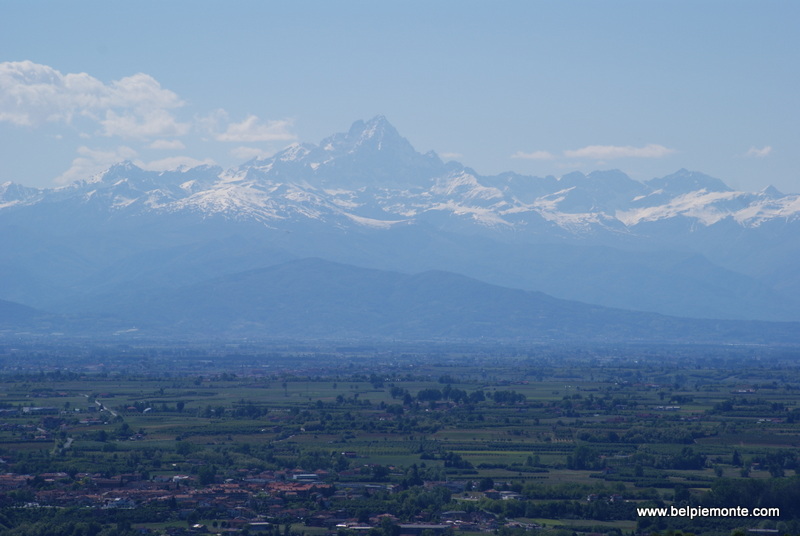
Dolcetto is the most popular grape variety in Piemonte that gives wine of the same name. Although it’s spread all over the region, originally it was cultivated near Dogliani town, situated on the west part of the Langhe. Till today it plays a significant role in the local economy, like in case of a small village called Clavesana, where is located a big winery. This cooperative collects over 350 families of grape cultivators living and working on high hills looking on Tanaro river and Monviso pick.

The Langhe, Piedmont, Italy
the plain and the Monviso pick view

Continue reading “The land of Dolcetto”